Create Bootable USB Drives
Create Bootable USB Drives for Windows, Linux, and system recovery tools using simple walkthrough tutorials designed for beginners and advanced users alike. This category serves as a complete hub for learning how to make a bootable USB drive from ISO files, whether you are installing an operating system, running a Live USB environment, or building a portable repair toolkit.
Inside, you will find guides covering everything from simple ISO to USB creation using popular tools, to more advanced methods like multiboot USB setups, persistent storage, and manual USB boot configuration using command line tools. Tutorials are available for Windows, Linux, and macOS, so you can create a bootable USB from virtually any system.
Learn how to properly format USB drives, choose the right filesystem (FAT32, NTFS, exFAT), and ensure compatibility with both BIOS and UEFI boot modes. You will also discover how to run full operating systems directly from USB, including portable Windows environments and Live Linux distributions.
Whether you want to install an OS, recover data, repair a system, or carry a portable computing environment, these bootable USB tutorials provide everything you need to get started with fast, reliable USB booting.

Want to boot Windows 11 from USB without installing it to your internal hard drive? This complete step by step guide shows you how to create a fully portable Windows 11 bootable USB using a VHDx virtual hard disk image.
Unlike a standard Windows 11 installer USB, this method allows you to run Windows 11 directly from a USB drive. The operating system runs entirely from portable media, giving you a modern Windows To Go alternative that can bypass strict hardware requirements while keeping your internal disks untouched.
How to Effortlessly Make a USB Bootable KALI Linux with Persistence Using YUMI on Windows: KALI Linux, based on Debian, is designed specifically for penetration testing and security auditing. It includes a vast collection of security tools such as network analyzers, password crackers, wireless testing utilities, exploit frameworks, and fuzzers, making it ideal for cybersecurity professionals, students, and enthusiasts.

Boot from a USB Ubuntu Live with Persistence: Learn how to create a bootable USB stick that not only runs Ubuntu Live but also remembers your settings and files with casper or writable persistence. This guide shows how to use YUMI from Windows (or Linux via WINE), as well as other tools like Etcher and the dd command for advanced users.

Install Xubuntu on USB: Create a bootable Xubuntu Live USB drive using Windows or Linux. In this guide, you'll learn how to easily install Xubuntu onto a USB flash drive using YUMI Multiboot software, Etcher, or the dd command. The YUMI USB boot method also supports persistence, allowing you to save changes between sessions by selecting a persistent file size during setup. This makes the tiny Xubuntu operating system an excellent choice for a portable Linux system you can run on almost any computer.

Want to try a Live USB Kubuntu without installing it on your hard drive? A bootable USB lets you test it in live mode. With persistence enabled, you can save files, settings, and installed software for future sessions. This guide shows how to create a Kubuntu live bootable USB using tools like YUMI, Etcher, and dd, on Windows, Linux, or macOS.

How to create a Live Lubuntu bootable USB flash drive with persistence. Lubuntu Linux is an official Ubuntu flavor that uses the lightweight LXQt desktop environment. It is designed to run efficiently on older computers, netbooks, and systems with limited RAM or CPU resources.

Creating a Debian Live USB flash drive is the easiest way to try Debian or install it on your internal hard drive without touching your main system. Whether you're on Windows, Linux, or macOS, there are several tools available that make the process simple, including Etcher, YUMI Multiboot, and the dd command. You can also enable persistence to save files and system changes across sessions, turning your USB into a fully portable Debian environment.

How to easily enable Linux on Chromebooks: Most modern Chromebooks include a built-in Linux feature called Crostini, also known as Linux on ChromeOS. This allows you to run Linux applications securely alongside your native ChromeOS without wiping your device, enabling Developer Mode, or creating and booting from a USB flash drive.
In this article, you will learn how to run Linux on your Chromebook, install Linux applications, and understand how Crostini compares to other Linux options like GalliumOS and Crouton.

GalliumOS is often heralded as the best Linux distribution for Chromebooks and Chromeboxes. Designed specifically for ChromeOS devices, this lightweight operating system is optimized for performance, compatibility, and efficiency. By combining the speed of Xubuntu with Chromebook specific tweaks, it offers a seamless experience for users looking to repurpose their Chromebook hardware.

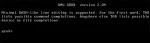
Can you boot from an exFAT USB? Yes, but not directly from a single exFAT partition. To create an exFAT bootable USB flash drive that works in UEFI mode, you must use two partitions: one exFAT partition for storing ISO files and one small FAT32 partition dedicated to booting. A bootloader such as Grub2 is installed to the FAT32 partition, enabling boot support for both UEFI and Legacy BIOS systems.

Install Grub2 on USB from Windows: Need a reliable way to create a USB stick that boots from both BIOS and UEFI? In this guide we will show you how to install the Grub2 bootloader onto a USB flash drive directly from Windows. Using the grub-install.exe utility, you'll prepare a highly compatible bootable USB device.

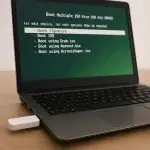
Boot Multiple ISO from bootable USB using GRUB2 from Linux. Here is one way to manually create a Multiboot USB Flash Drive (Multiboot ISOs) from a running Linux environment. Allowing you to store and run Multiple ISO files from one single USB drive.

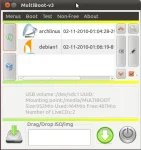
How to Create a Multisystem LiveUSB Flash Drive from Linux: Multisystem is a versatile tool designed to create Multiboot USB drives directly from Linux. Similar to the YUMI MultiBootISOs USB boot creator, it allows you to build a customized Multiboot USB flash drive with your preferred bootable Live Linux distributions. This guide provides step by step instructions on installing and using Multisystem while up and running from Ubuntu or another Debian based Operating System.

This guide walks you through how to run OpenMandriva Linux from a USB flash drive using tools like YUMI, Balena Etcher, or the dd command in Linux. With your portable Linux USB stick, you can try OpenMandriva Live on a bootable flash drive or install it on your hard drive, no DVD required.
Create a Puppy Linux Live USB from Windows, Linux, or MacOS. In the following section, I will show you several methods to install, boot, and run a Live Puppy Linux system from a bootable USB flash drive. You can use the YUMI multiboot bootable USB drive maker tool from within Windows or the dd command from Linux or MacOS. Although packed with popular features, this Live Linux distribution aims to remain lightweight and small, allowing it to run exceptionally well on older computer hardware.

Easily create a bootable GParted Live USB flash drive from Windows using YUMI, or using dd in Linux or on macOS. GParted, a popular graphical partition editor developed by Curtis Gedak, is a powerful open source USB partition tool for managing disk partitions. It allows you to create, resize, delete, and reorganize partitions with ease. Additional features include managing boot flags, formatting drives, cloning partitions, and more.

System Rescue USB (formerly known as System Rescue CD) is a Linux based live system toolkit designed for troubleshooting, repairing, and recovering computers. It helps fix unbootable or damaged systems, restore operating systems, repair filesystems, and recover data after crashes.

Want to create a USB bootable Linux Mint with persistence? This how to tutorial shows you how to create a Linux Mint Live USB with persistence so you can run Linux Mint directly from a USB drive and save your changes between sessions. You'll also learn how to use that same drive to install Mint to your computer's hard drive.

How to Install Ubuntu Netbook Remix (UNR) to a USB Drive: Ubuntu Netbook Remix (UNR) is a lightweight version of Ubuntu Linux developed by Canonical Ltd. for netbooks and other low powered computers. Though officially discontinued, it remains an excellent operating system for reviving old netbooks and laptops.
Create a DBAN bootable USB flash drive containing a secure disk erasure tool using the YUMI Multiboot USB Creator. This tutorial covers how to run Darik's Boot and Nuke from a USB stick using Windows, Linux, or macOS. The utility is designed to thoroughly wipe traditional hard drives (HDDs) through multiple overwrite passes, ensuring permanent data destruction.

Run Ubuntu Server from USB; Easily create a Live USB Bootable Ubuntu Server using YUMI from within Windows, or using native tools on Linux and macOS. The following guide covers multiple proven methods to install, boot, and run Ubuntu Server from a USB flash drive. Once completed, you can run Ubuntu Server Edition live from USB or install it to an internal hard drive. This is especially useful if your system lacks a CD or DVD drive but supports USB booting.

How to Create a Ubuntu Rescue Remix Bootable USB flash drive from within Windows. The following tutorial covers one method of installing and running (URR) Ubuntu Rescue Remix to a USB drive using a Windows PC and the Universal USB Installer to do the Boot creation. Upon completion, the distribution can then be booted and run from your removable device.

How to Install Gentoo on USB: The following simple guide explains how to create a Gentoo Live bootable USB flash drive using Windows, a Gentoo Live ISO file, and the Universal USB Installer tool, or dd. By the end of this tutorial, you'll have a portable version of Gentoo Linux that you can boot directly from a USB drive.

Easily create a bootable Live KNOPPIX USB flash drive using the Universal USB Installer. KNOPPIX is a free, open source, Debian based Live Linux distribution. It's well known for its portability, automatic hardware detection, and usefulness in system recovery, diagnostics, and hardware testing.

Create a USB Recovery Is Possible (RIP) Linux bootable flash drive using YUMI from within Windows, or use dd on Linux/macOS. RIPLinux is a lightweight, Slackware or Debian based distribution (depending on the version) that was originally created by Kent Robotti. Although it is no longer actively maintained, this once reputable well known rescue distribution is still useful for system recovery and maintenance.

How to Install SliTaz to a USB flash drive Using Windows. This tiny Linux distribution is a very fast running, free operating system that can be run entirely from system memory. Founded by Christian Lincoln, it remains one of the smallest portable Linux distributions available and can be stored and run directly from a bootable USB key or other removable storage media.

How to Install Easy Peasy to USB flash drive using Windows, Linux or macOS. EasyPeasy is a remix for Netbooks that is based on Ubuntu. It is a Linux Live portable operating system specifically designed and optimized for use on low resource netbooks.

How to make Clonezilla USB bootable flash drive from Windows. Clonezilla software is a free partition or disk clone tool that works similar to Norton Ghost and Partition Image. It can be used to backup (clone) information from media to media.

How to Make a Portable SLAX bootable USB drive: Running Linux from a flash drive gives you portability, flexibility, and a practical way to test or troubleshoot computers without affecting your primary system. In this walkthrough, you'll learn how to set up a SLAX live USB using YUMI Multiboot USB Creator on Windows, or on Linux via WINE. Methods are also provided to help do the same natively from Linux or a macOS.

Make a Sugar on a Stick USB bootable flash drive. Sugar on a Stick (SoaS) is a Fedora based portable Linux distribution designed specifically for education. It provides the Sugar Learning Platform, a child friendly desktop environment created to promote collaborative learning, creativity, and critical thinking through hands on activities. This pendrive oriented Linux operating system is commonly used in classrooms, learning labs, and low resource environments as a lightweight educational operating system that runs entirely from a USB flash drive.

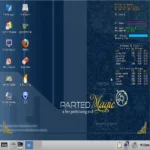
In the following tutorial, I cover how to create a Parted Magic bootable USB flash drive from within Windows. This fully functional portable Operating System doubles as a disk management utility to help you perform disk editing, disk imaging, and partitioning tasks with ease.

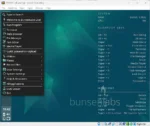
This tutorial explains how to create a modern BunsenLabs or CrunchBang++ bootable USB flash drive with optional persistence. CrunchBang Linux itself has been discontinued, but its lightweight Openbox based philosophy lives on through active community driven successors.

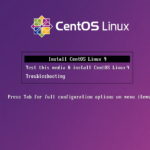
USB CentOS Stream Installation: How to create a bootable CentOS Stream USB drive on Windows, Linux, or macOS. This guide shows how to write the official installer ISO to a flash drive so you can boot, test, and optionally install CentOS Stream on a PC or server. A bootable USB is ideal for evaluating the platform, learning enterprise Linux workflows, or preparing for deployment.

Effortlessly Make an OpenSUSE Bootable USB Drive: This tutorial demonstrates multiple methods for creating a bootable OpenSUSE USB drive using YUMI, Etcher, or the DD command. Depending on your needs, you can boot a portable live environment from USB or perform a full installation to another USB stick or internal hard drive.

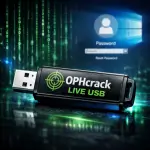
Ophcrack is a free and open source Windows password recovery tool that uses rainbow tables for efficient password cracking. It can be used to recover lost Windows login passwords from older versions of Windows by utilizing precomputed tables, making the process faster and more efficient. This guide explains how to create a bootable USB drive to recover forgotten passwords without installing the software on the target machine.

Making a Damn Small Linux Live USB (DSL). This is a revisit of my Windows DSL bootable USB installation tutorial: "Putting Damn Small Linux on a USB". Based on the 2.4 kernel, this tiny distribution is great to use for older and slower computers as well. It will fit and run on portable devices or thumb drives as small as 64 MB.

How to Create a PCLinuxOS Bootable USB Drive: PCLinuxOS is a clean, compact, and visually polished Live Linux distribution developed by Texstar. Originally derived from Mandriva Linux, it has since evolved into a fully independent operating system known for its rolling release model, excellent hardware compatibility, and user friendly desktop experience. This Live Linux OS is an excellent choice for creating a portable operating system that can run directly from a USB flash drive on almost any compatible computer.

Easily create a bootable USB drive for Ultimate Boot CD (UBCD) using tools like YUMI, dd for Windows, or the dd command on Linux or macOS. UBCD is a widely respected diagnostics tool that consolidates over 100 essential system utilities into a single ISO image.

Creating a USB Bootable RUNT Linux; This walk through illustrates how to install, boot, and run RUNT Linux from a USB flash drive. RUNT is a super super tiny and very basic Linux distro. It is recommended for intermediate to advanced users who prefer to do work without using a graphical interface like X. Beware that by default it does not feature a GUI, it uses a text only based interface.